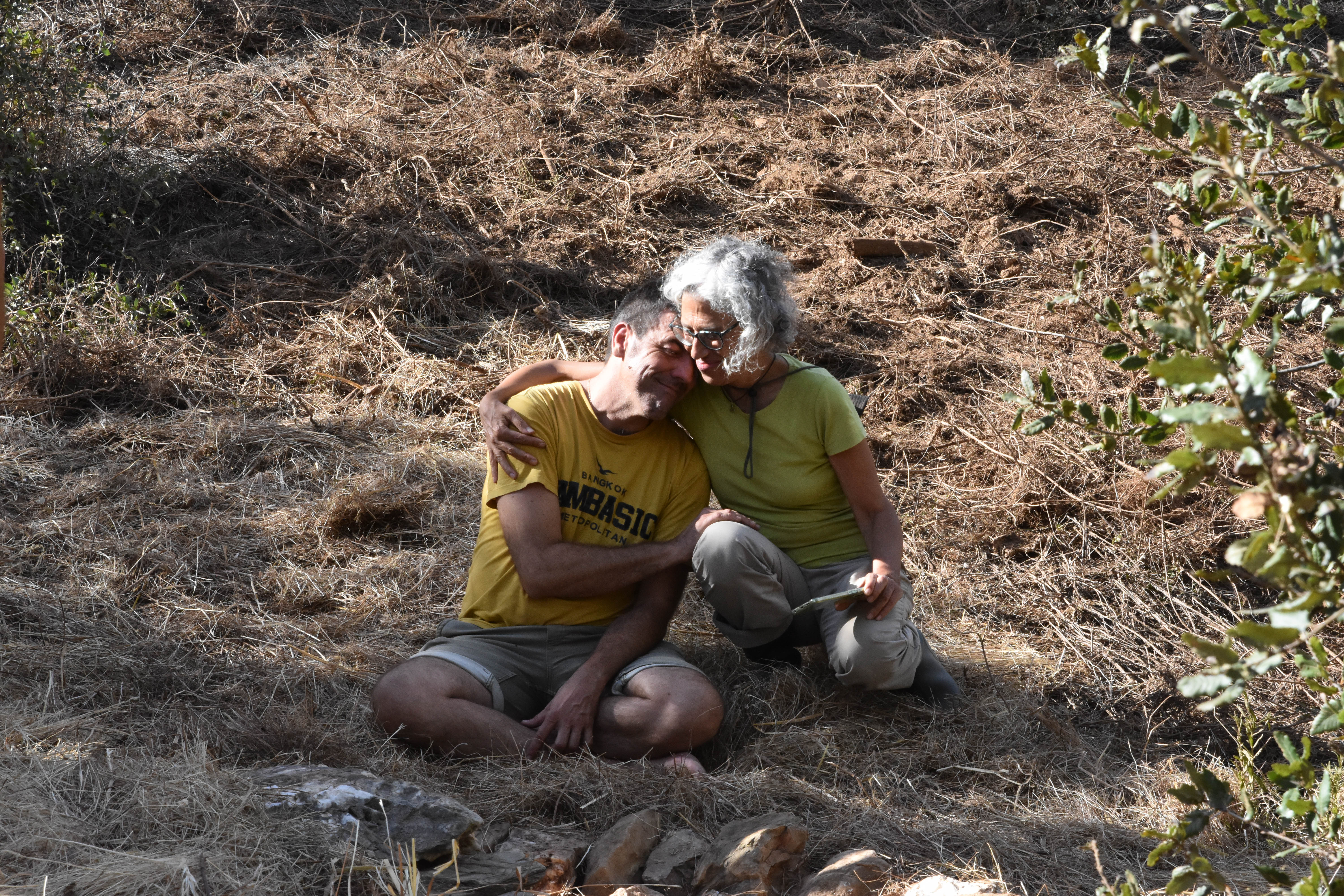
Iberian Water Retention Landscape
The Iberian Water Retention Landscape project was a 10-day Erasmus+ mobility for youth workers. Participants from Portugal and Spain explored practical approaches to water retention, ecological restoration, and regenerative youth work.
by Anne Bretschneider, 1/10/2024
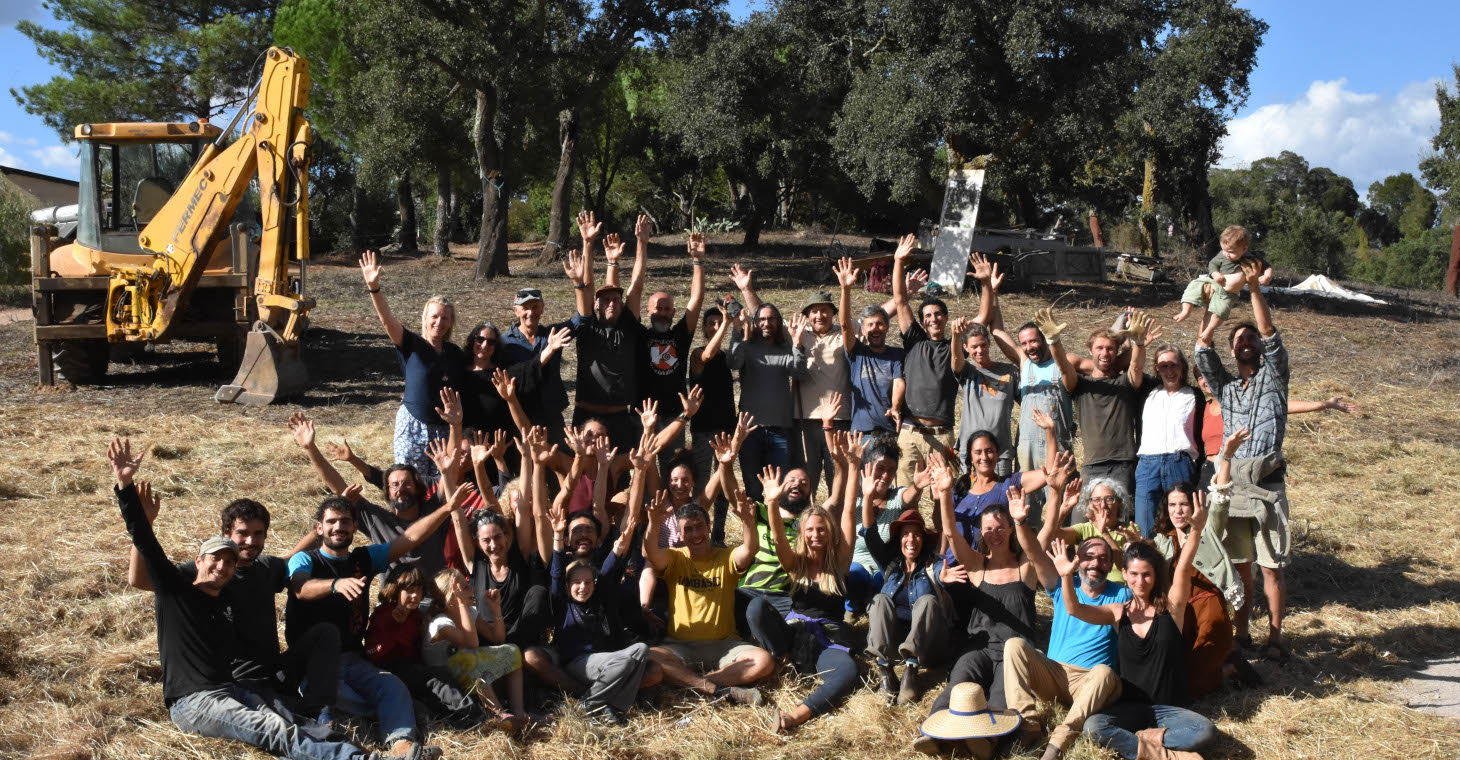
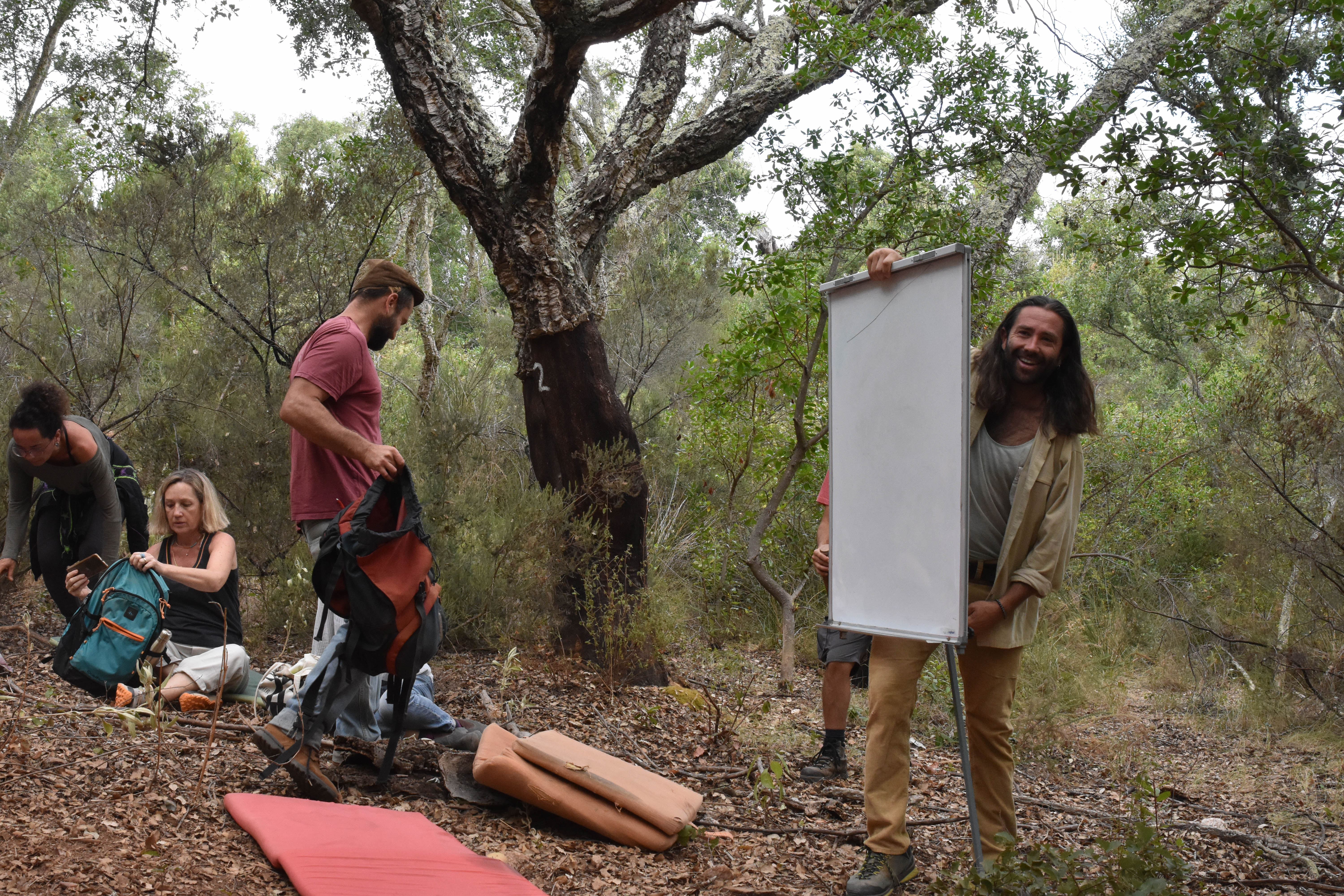
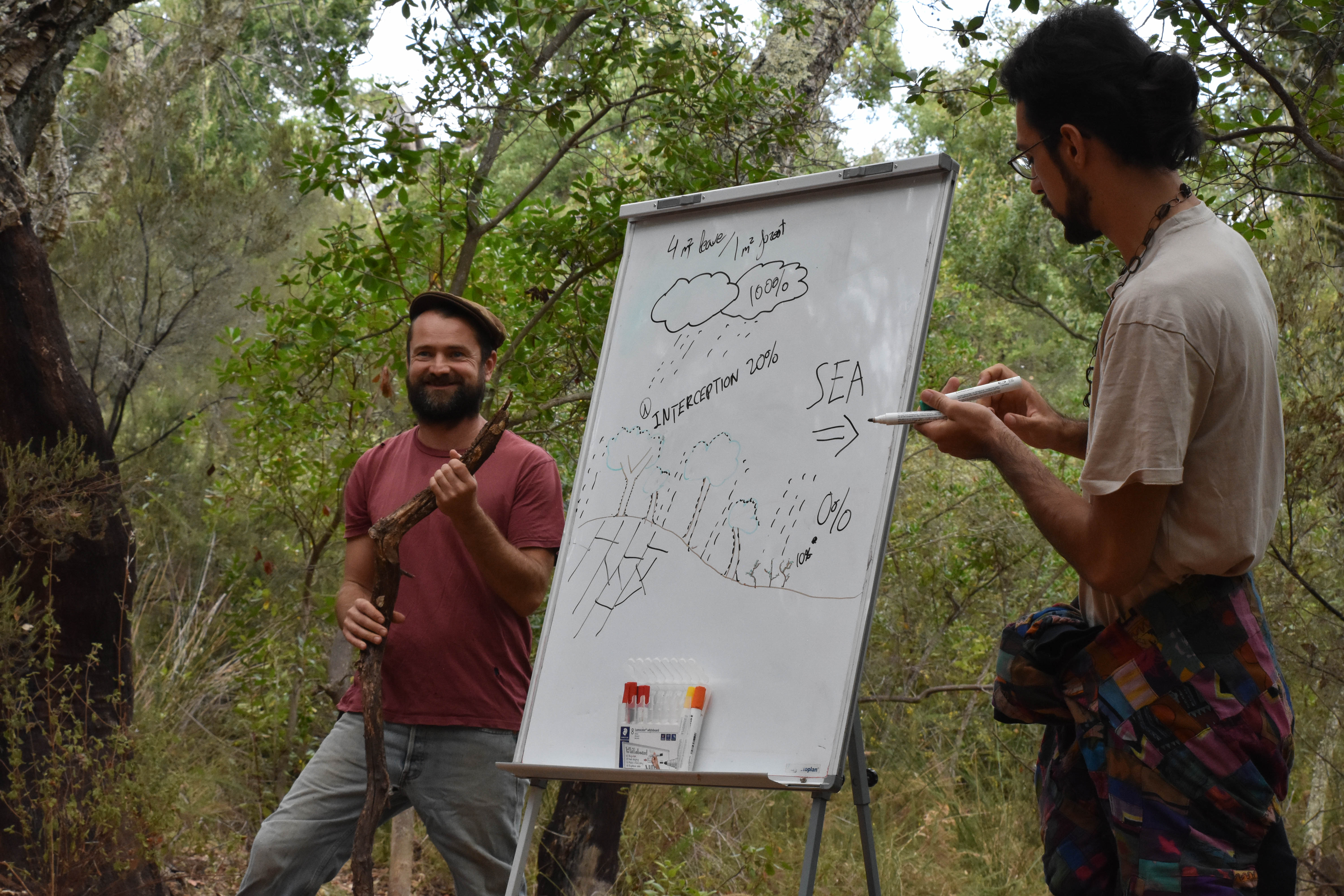
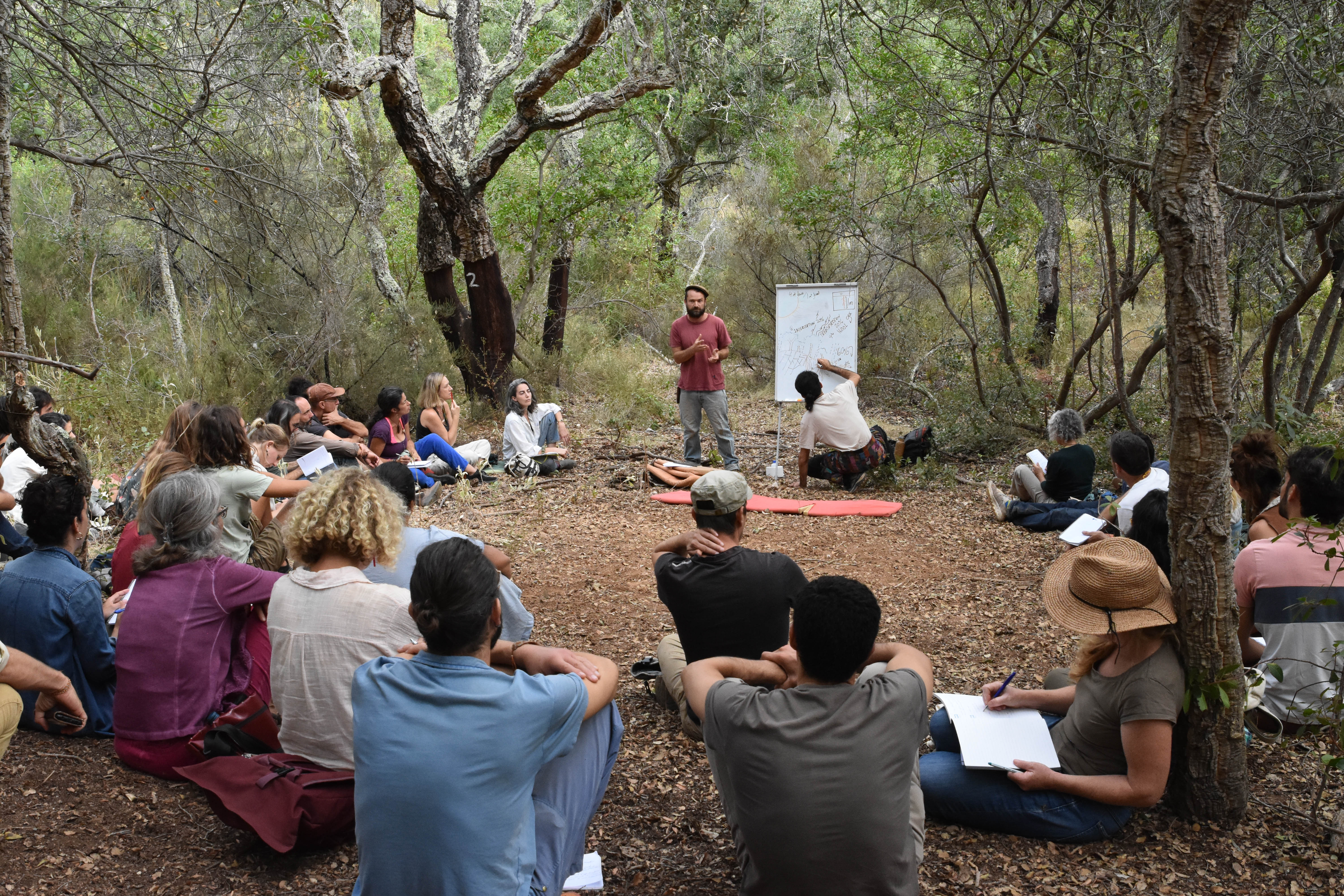
The project responded to urgent environmental challenges in the Iberian Peninsula — including desertification, erosion, drought, and unsustainable land use — by equipping youth workers with practical, hands-on tools such as Water Retention Landscapes (WRLs), landscape reading, and community-driven water management approaches. Learning activities combined theoretical input, outdoor fieldwork, collaborative design exercises, and reflective non-formal education methods.
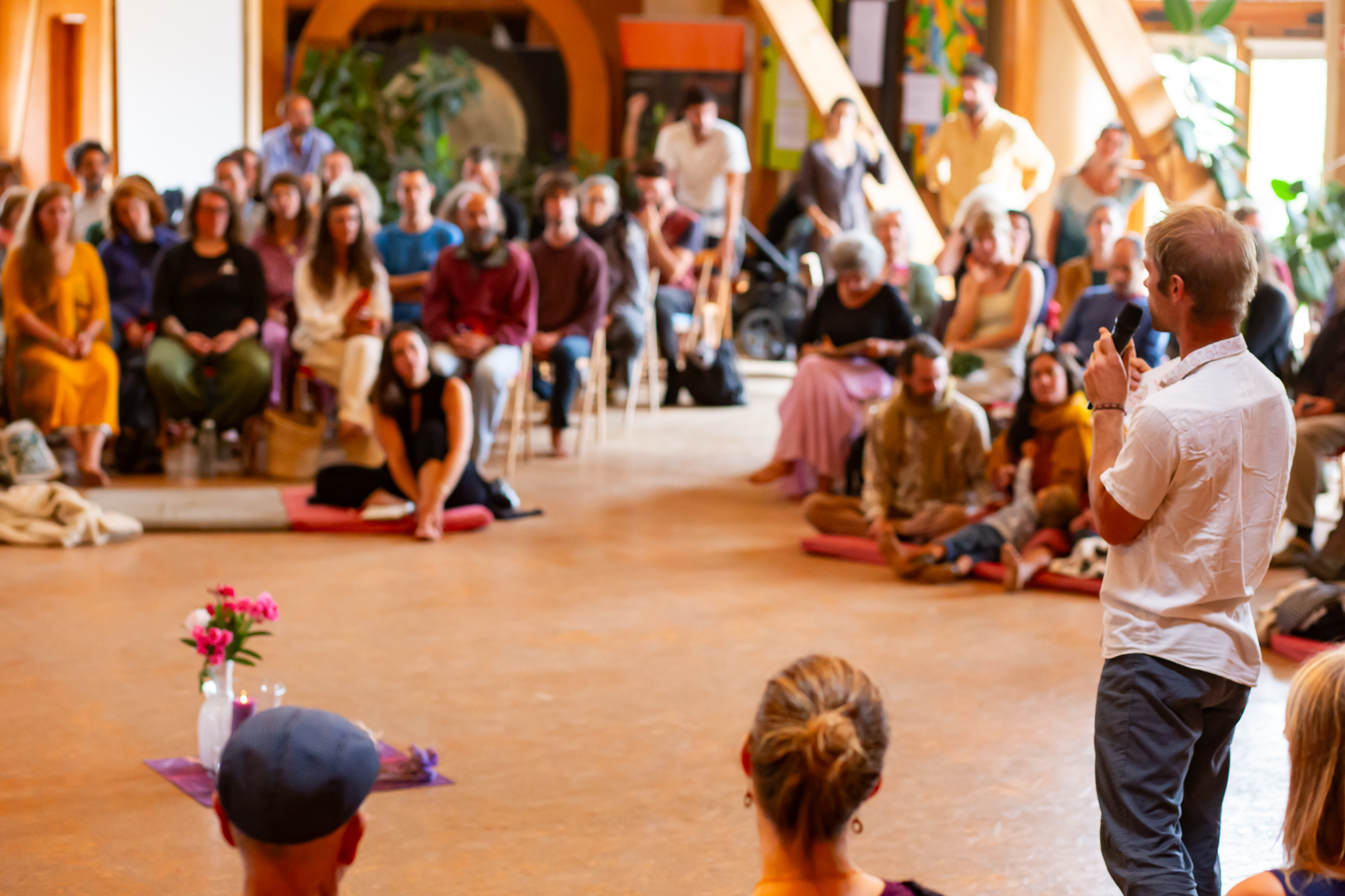
Participants deepened their understanding of water as a living system and integrated sustainability across environmental, social, and educational dimensions of youth work. Particular attention was given to inclusion and accessibility, with tailored support measures, translation, flexibility, and mentoring ensuring the meaningful participation of youth workers with fewer opportunities.
The project generated lasting impact beyond the mobility itself. Participants applied the acquired competences in their local contexts through youth projects, trainings, and community initiatives, while an ongoing Iberian network of youth workers and land practitioners continues knowledge exchange and collaboration. One tangible outcome of the collective work was the creation of a new footpath to the Bodega, improving site accessibility and leaving a permanent, community-benefiting result of the training.
This course shows and proves that it’s not a naïve dream to change the climate and support nature going back to its full potential.
— Participant reflection
The project contributed to the objectives of the Erasmus+ Programme, the European Youth Strategy, and the development of green skills, community development, inclusion, and environmental sustainability in youth work.
Project partners:
Associação para um Mundo Humanitário (Tamera, Portugal)
Molino de Guadalmesí (Spain)
* Funding acknowledgement: This project has been funded with support from the European Union through the Erasmus+ Programme. The views expressed are those of the authors and do not necessarily reflect the views of the European Union or the National Agency.
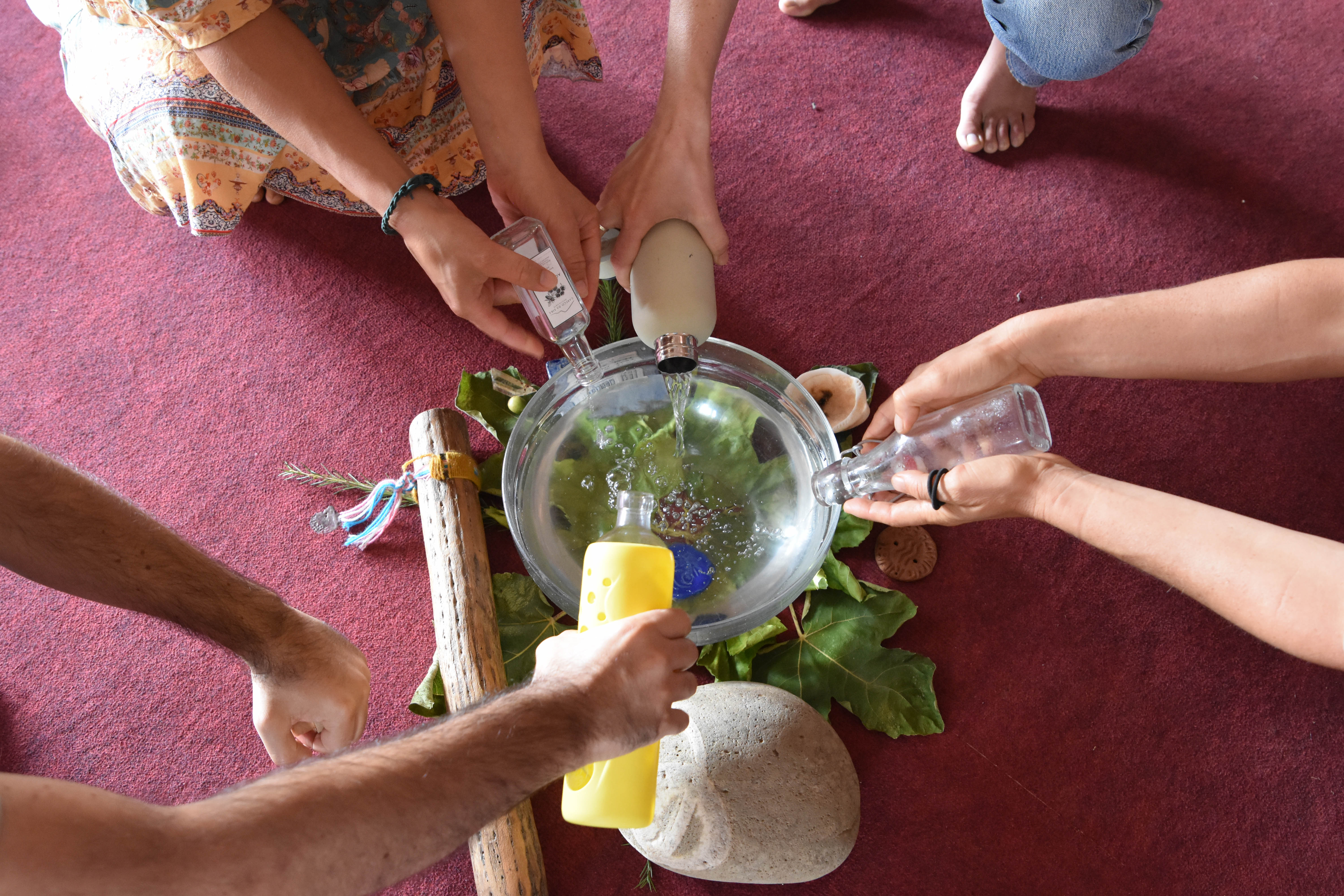
Iberian Water Retention Landscape – 1_WRL (1)
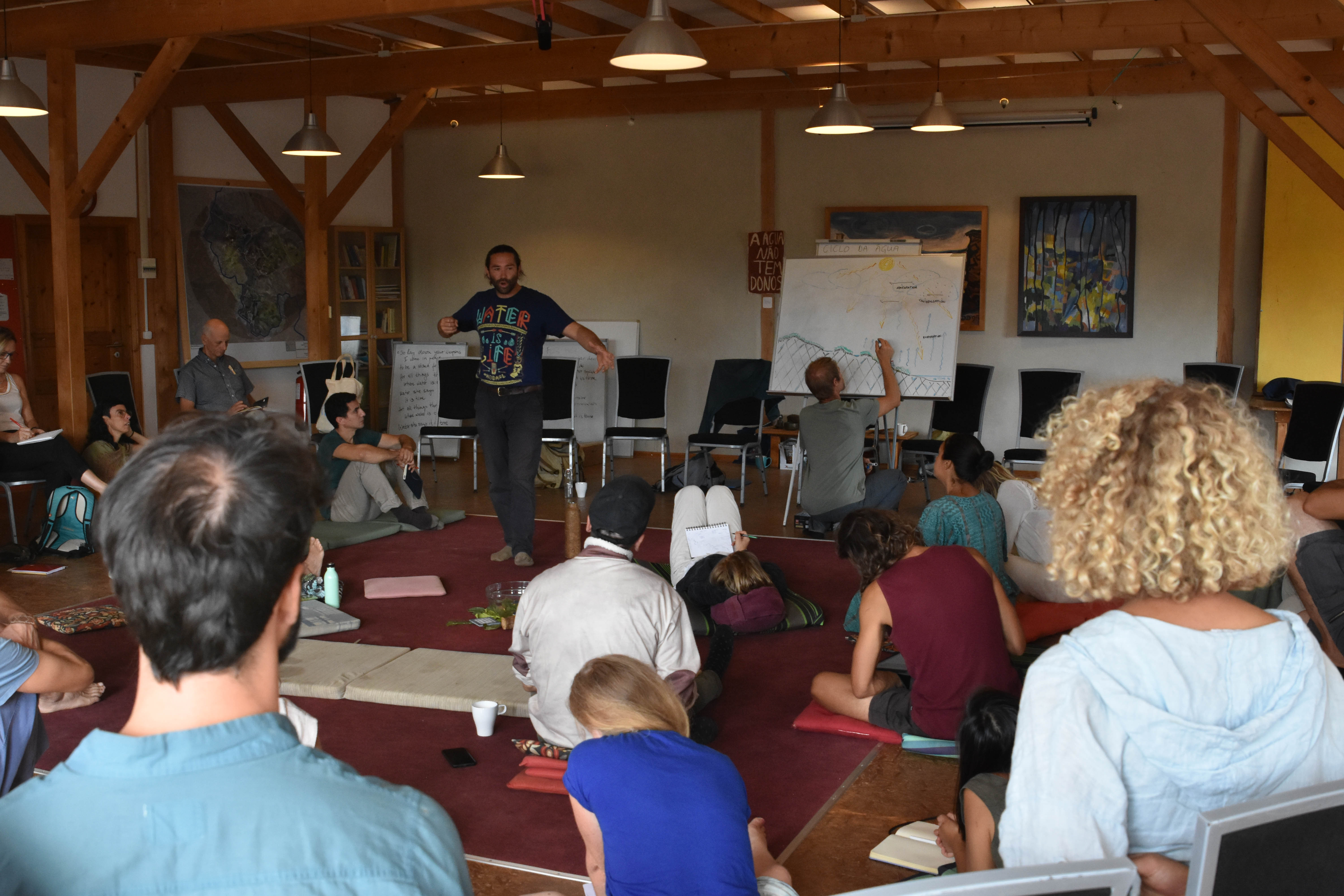
Iberian Water Retention Landscape – 1_WRL (1a)
Iberian Water Retention Landscape – 1_WRL (1b)
Iberian Water Retention Landscape – 1_WRL (1d)
Iberian Water Retention Landscape – 1_WRL (1e)
Iberian Water Retention Landscape – 1_WRL (1g)
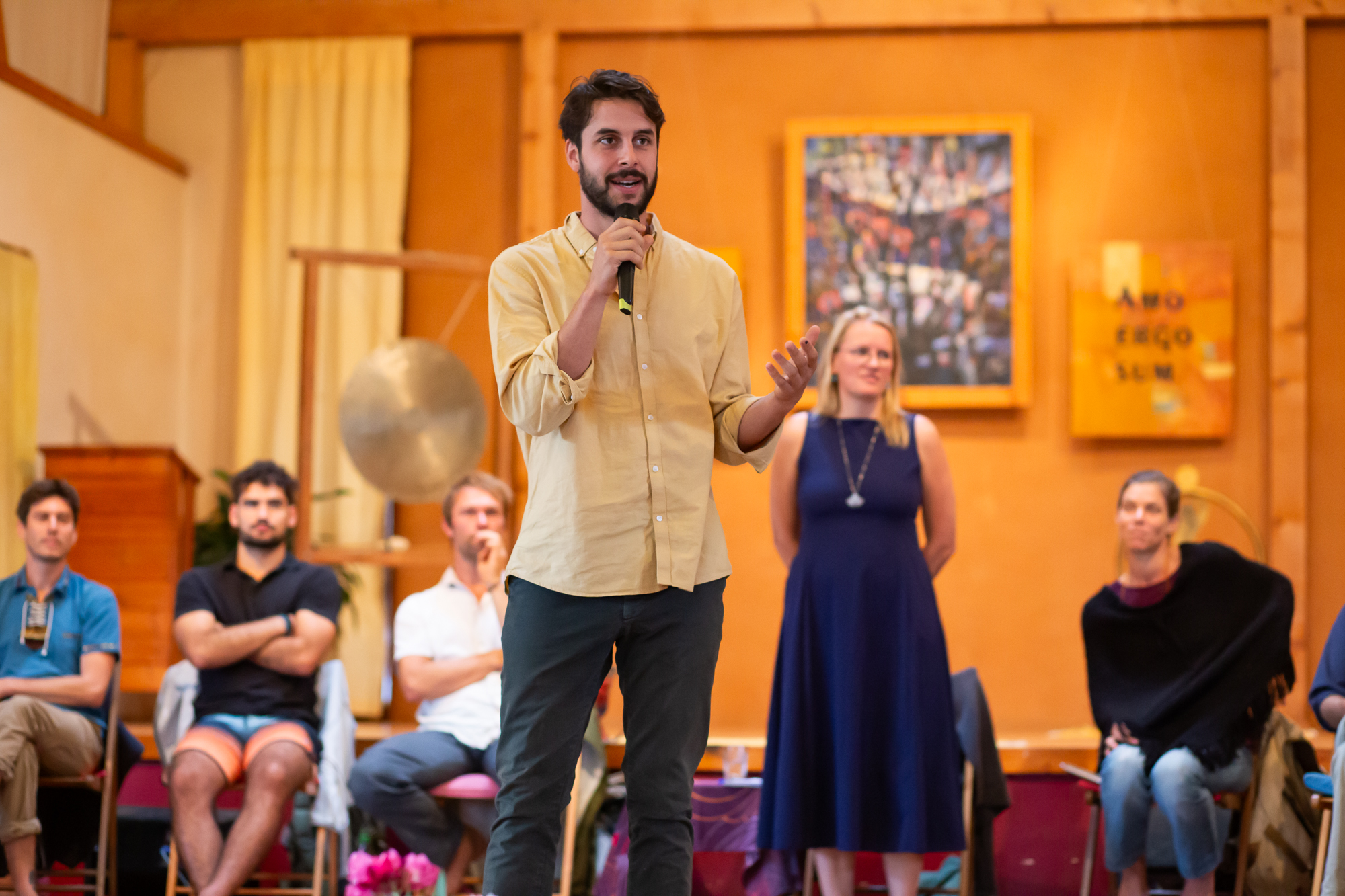
Iberian Water Retention Landscape – 1_WRL (2)
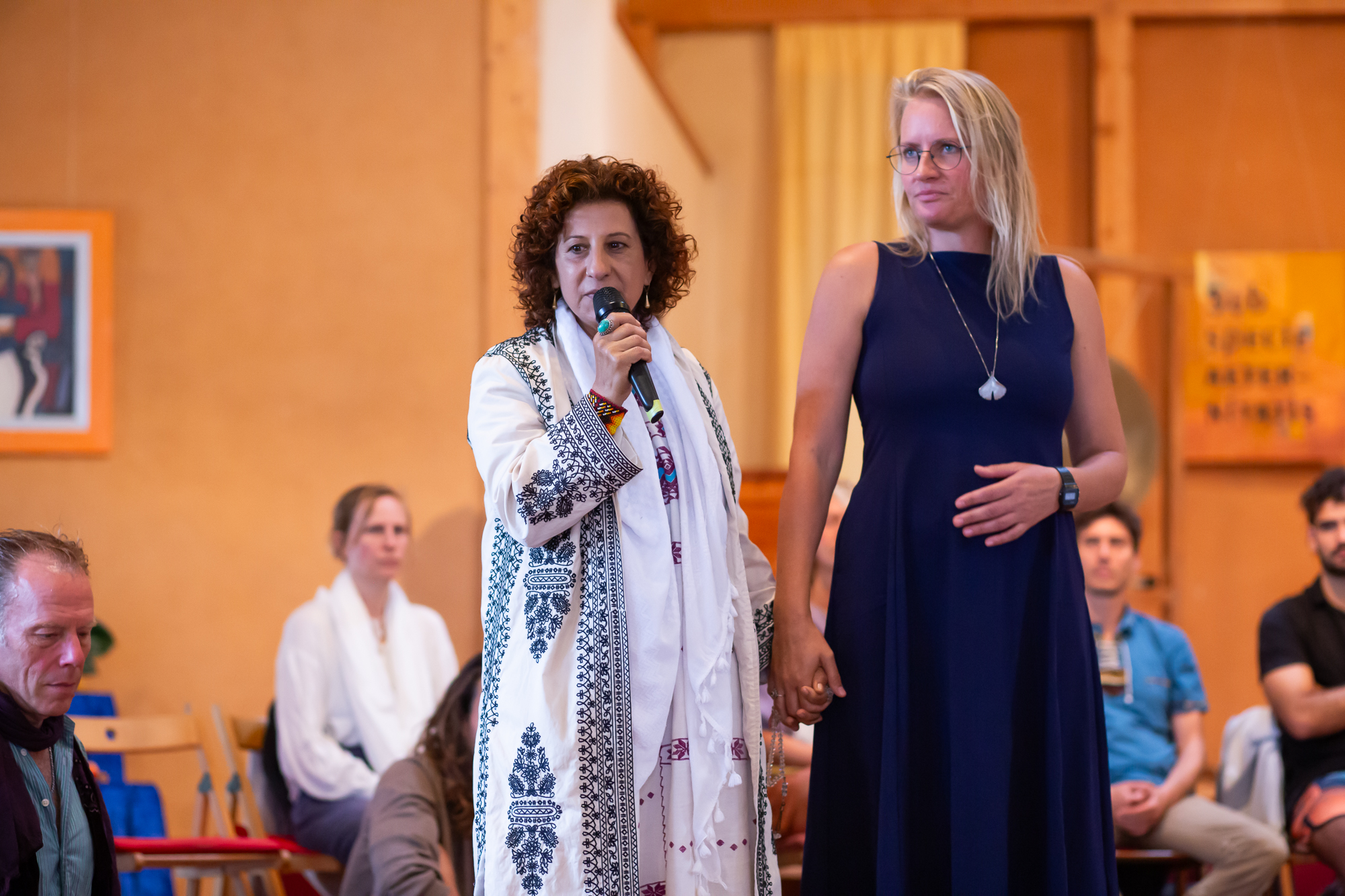
Iberian Water Retention Landscape – 1_WRL (4)
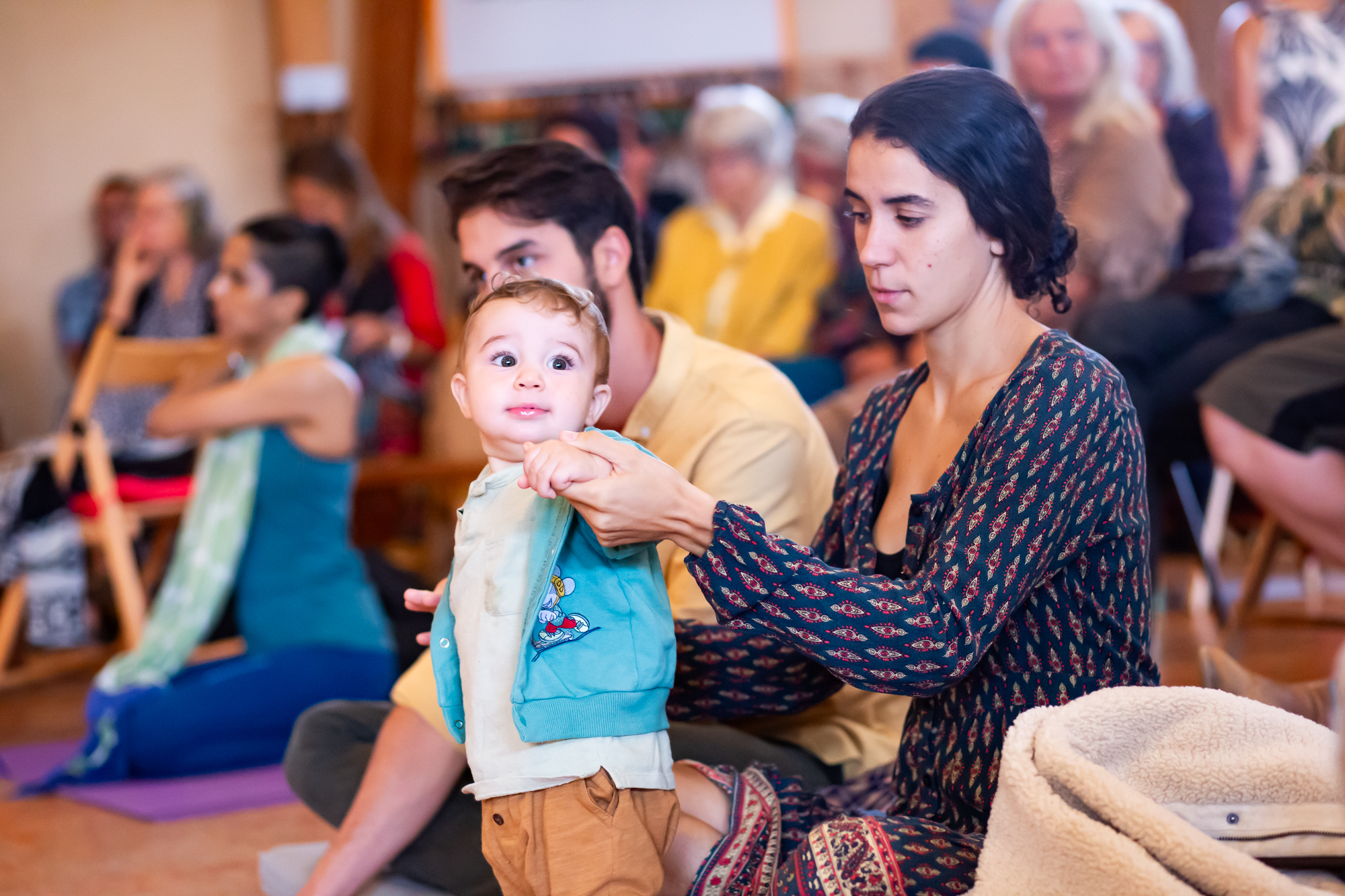
Iberian Water Retention Landscape – 1_WRL (5)
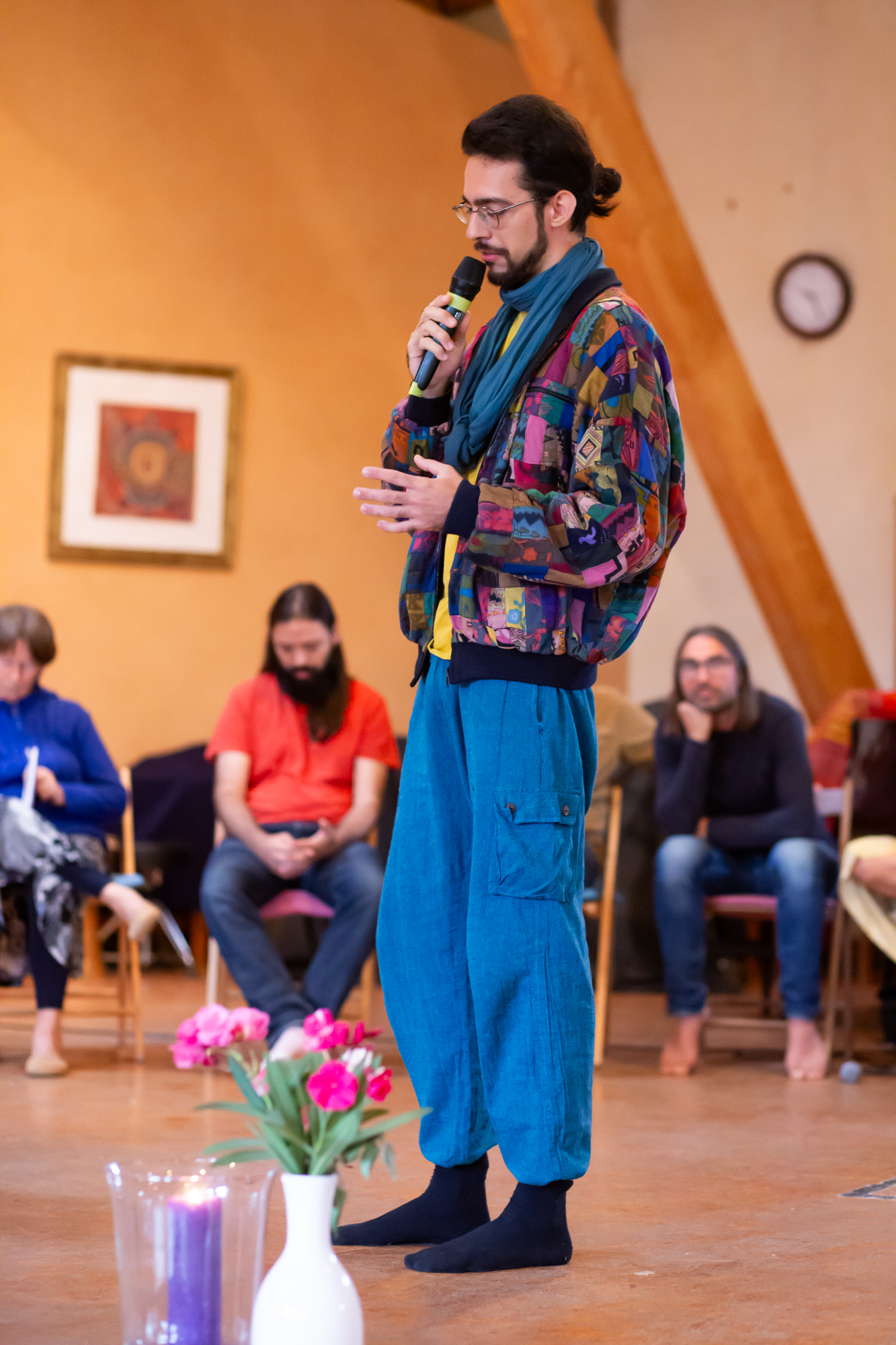
Iberian Water Retention Landscape – 1_WRL (6)
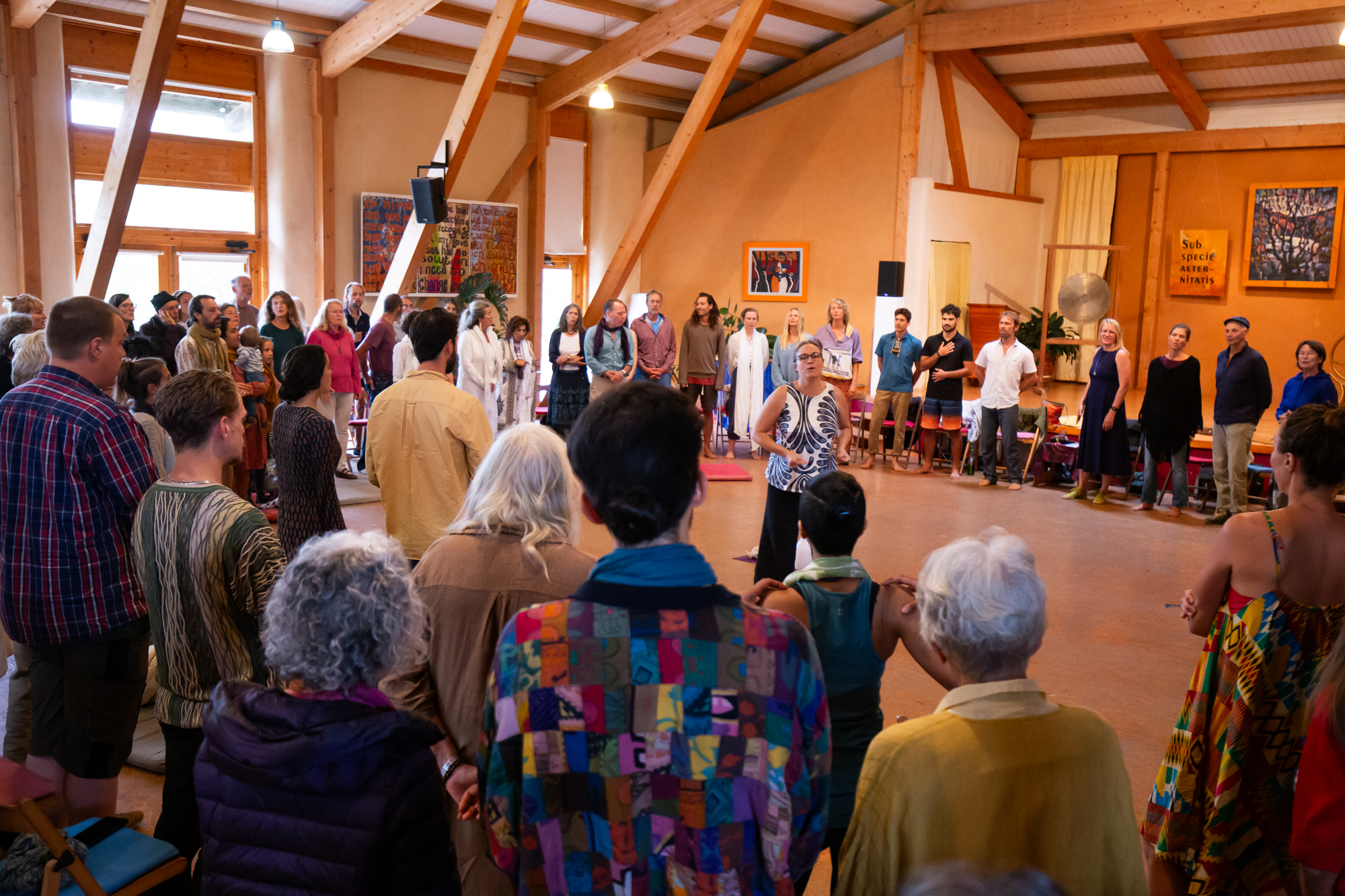
Iberian Water Retention Landscape – 1_WRL (8)
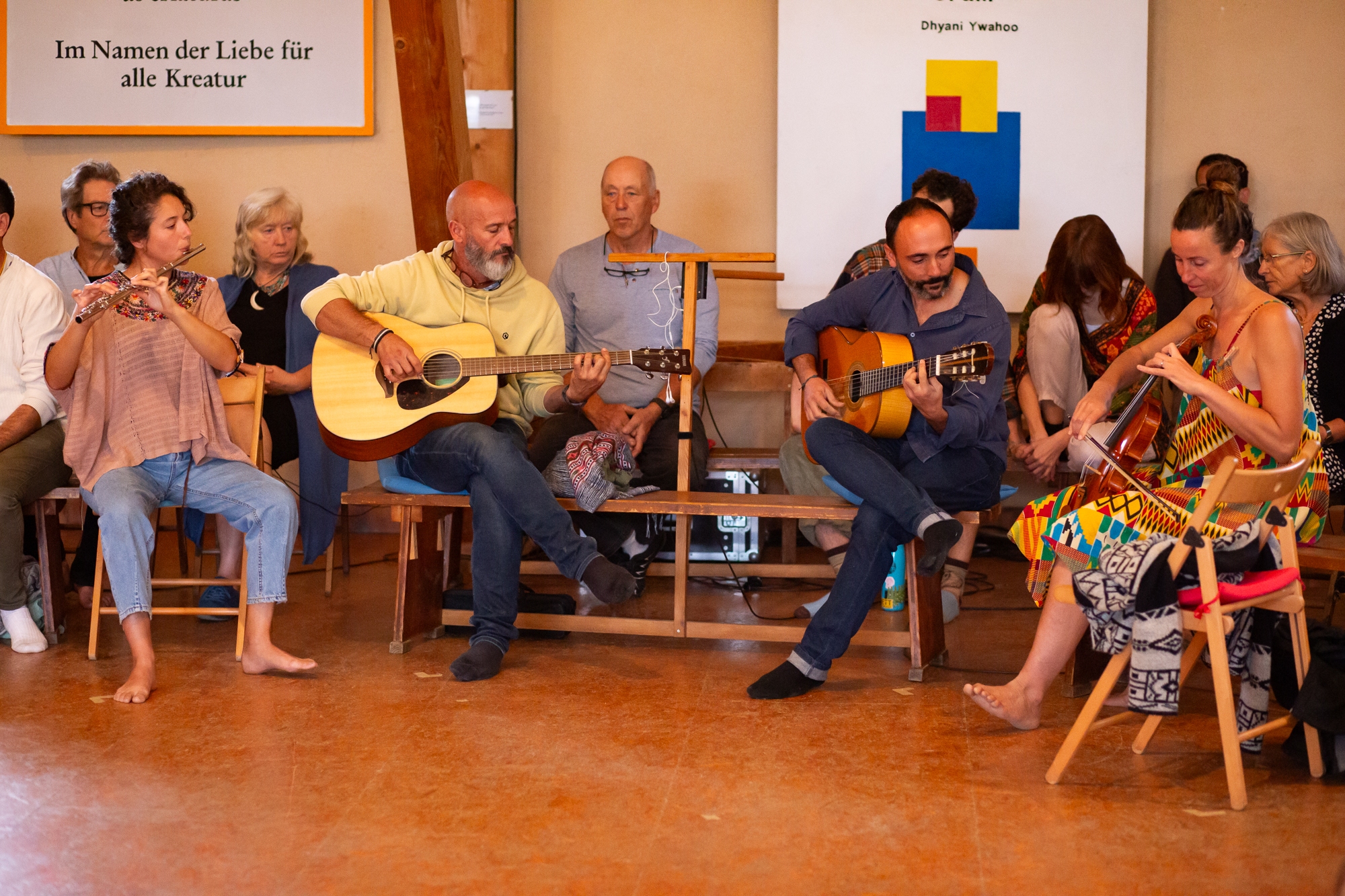
Iberian Water Retention Landscape – 1_WRL (9)
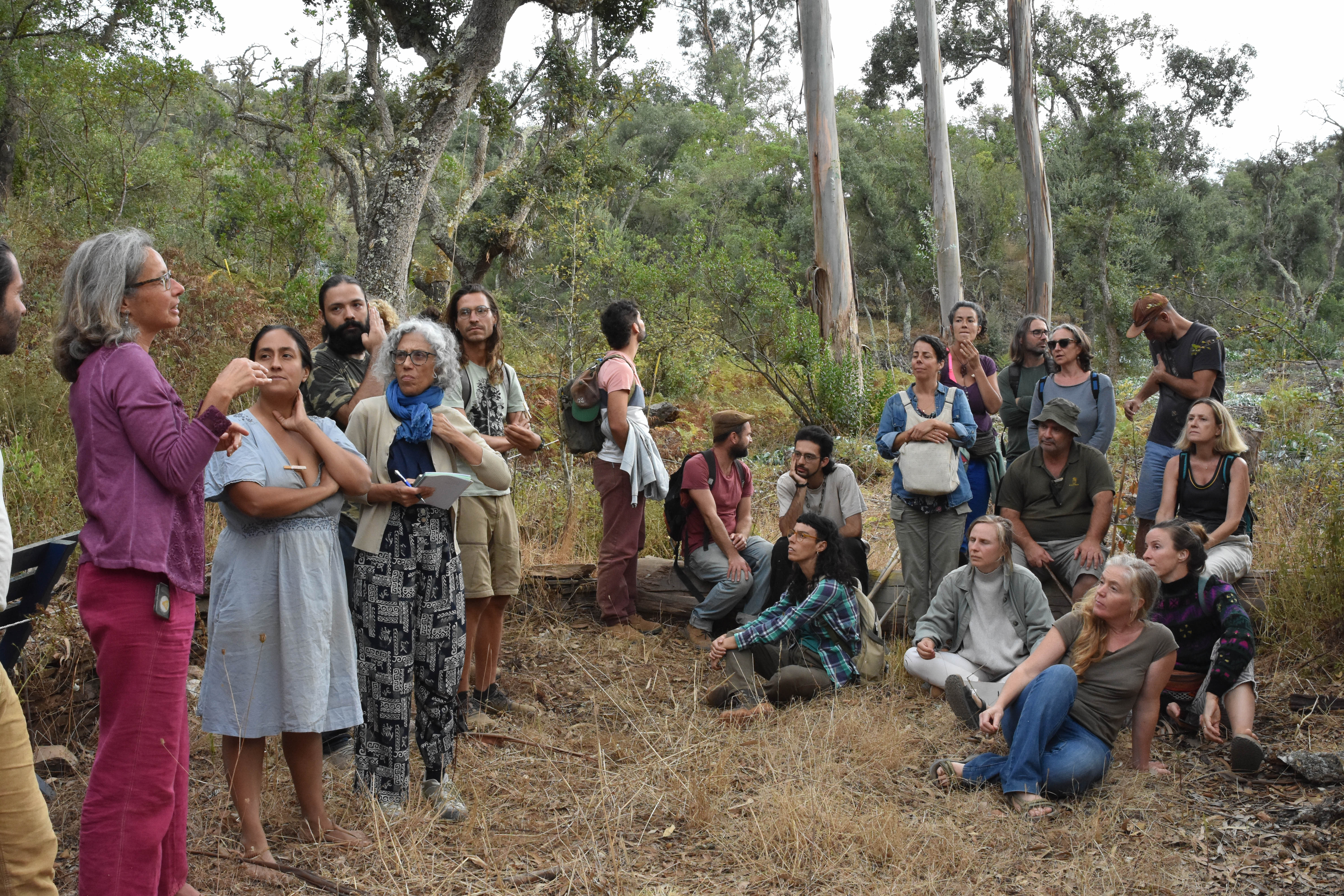
Iberian Water Retention Landscape – 1_WRL (18)
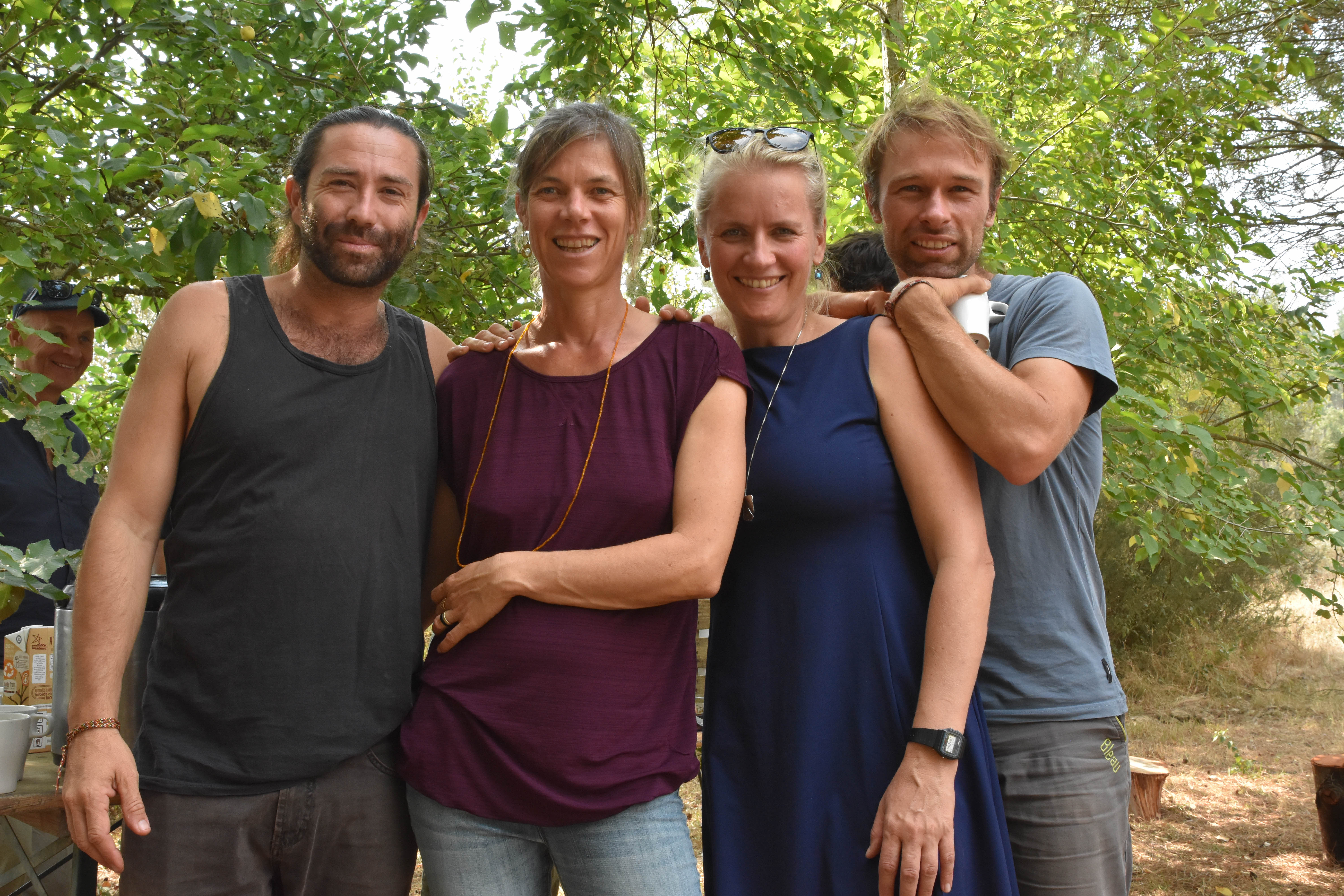
Iberian Water Retention Landscape – 1_WRL (23)
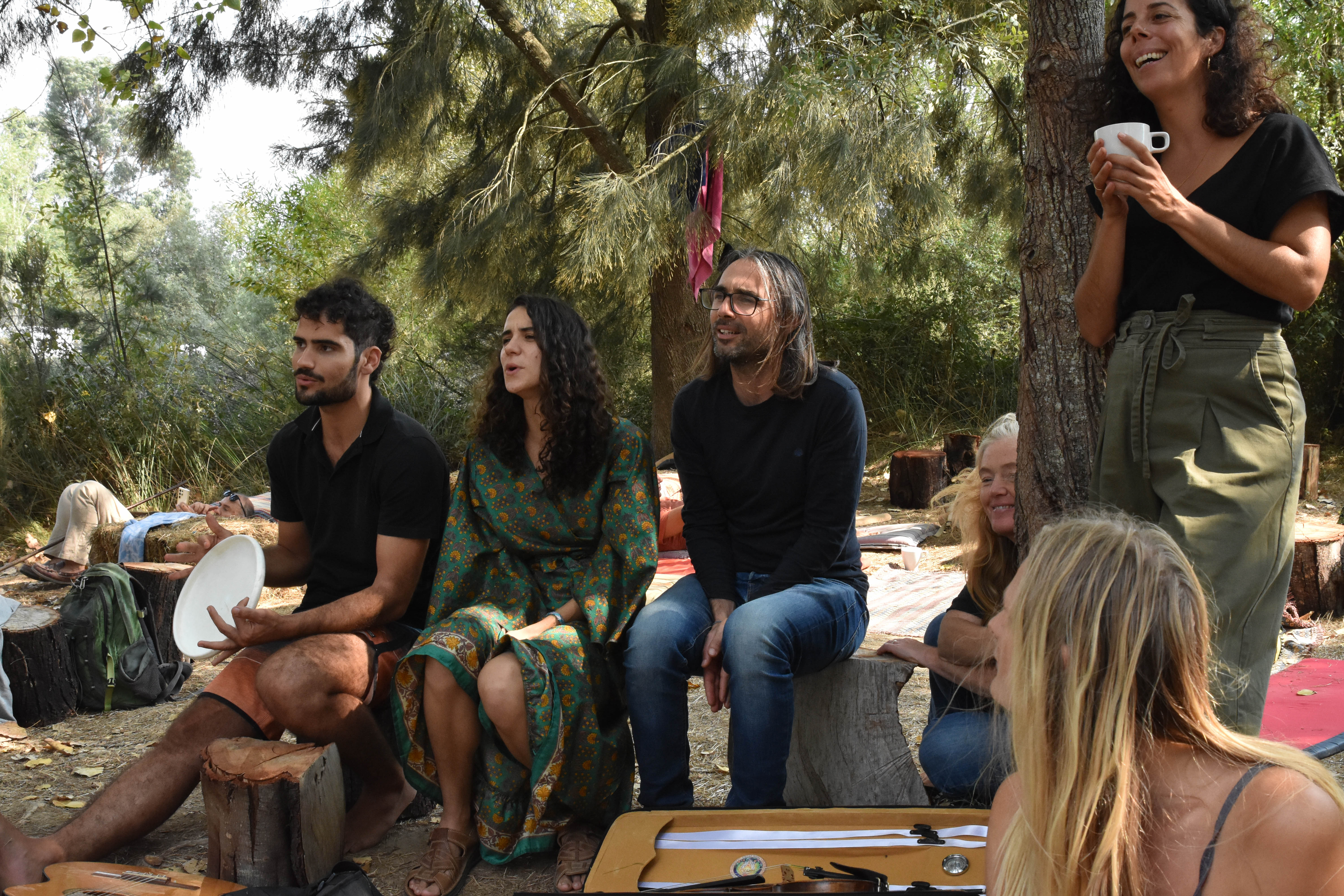
Iberian Water Retention Landscape – 1_WRL (24)
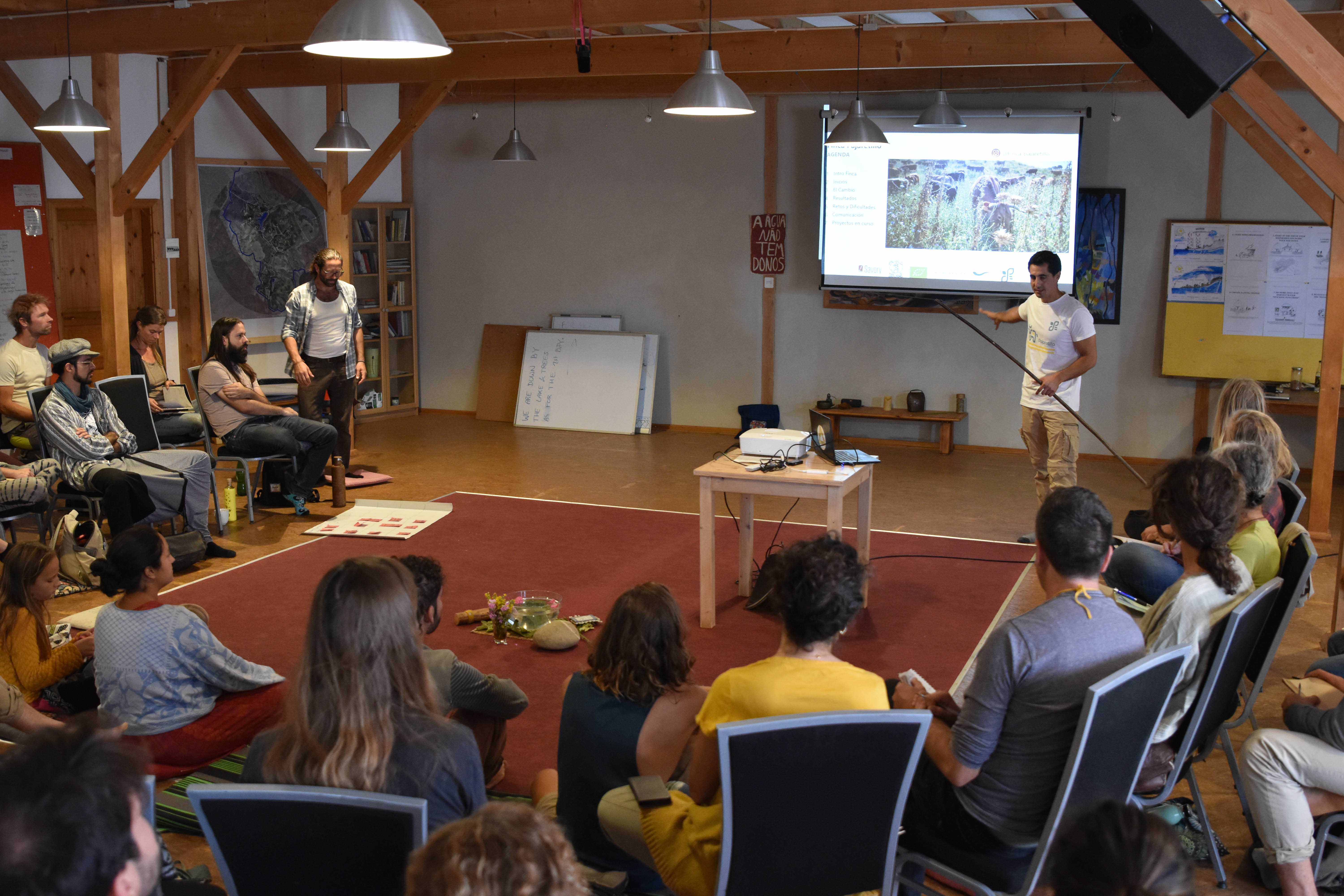
Iberian Water Retention Landscape – 1_WRL (26)
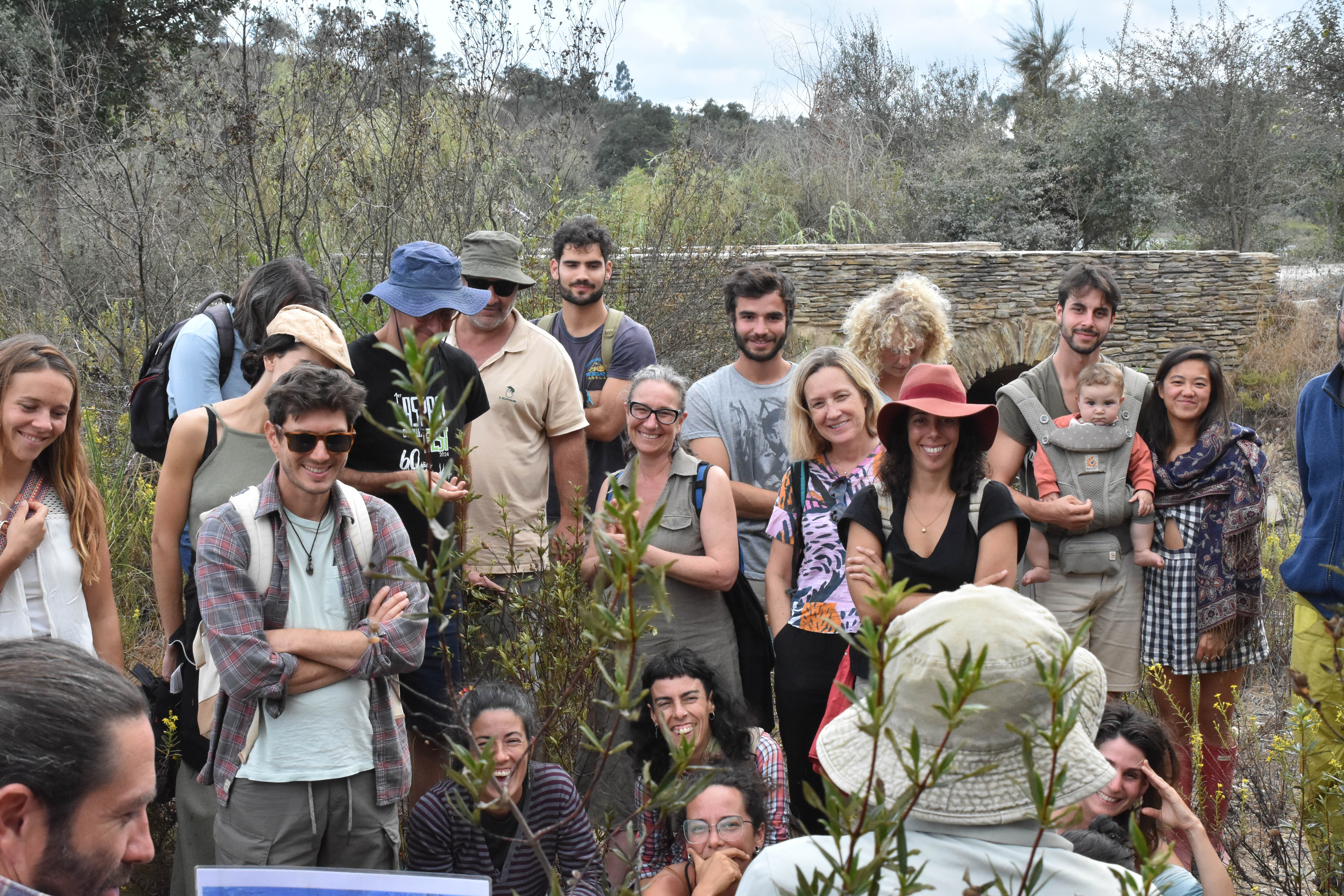
Iberian Water Retention Landscape – 1_WRL (27)
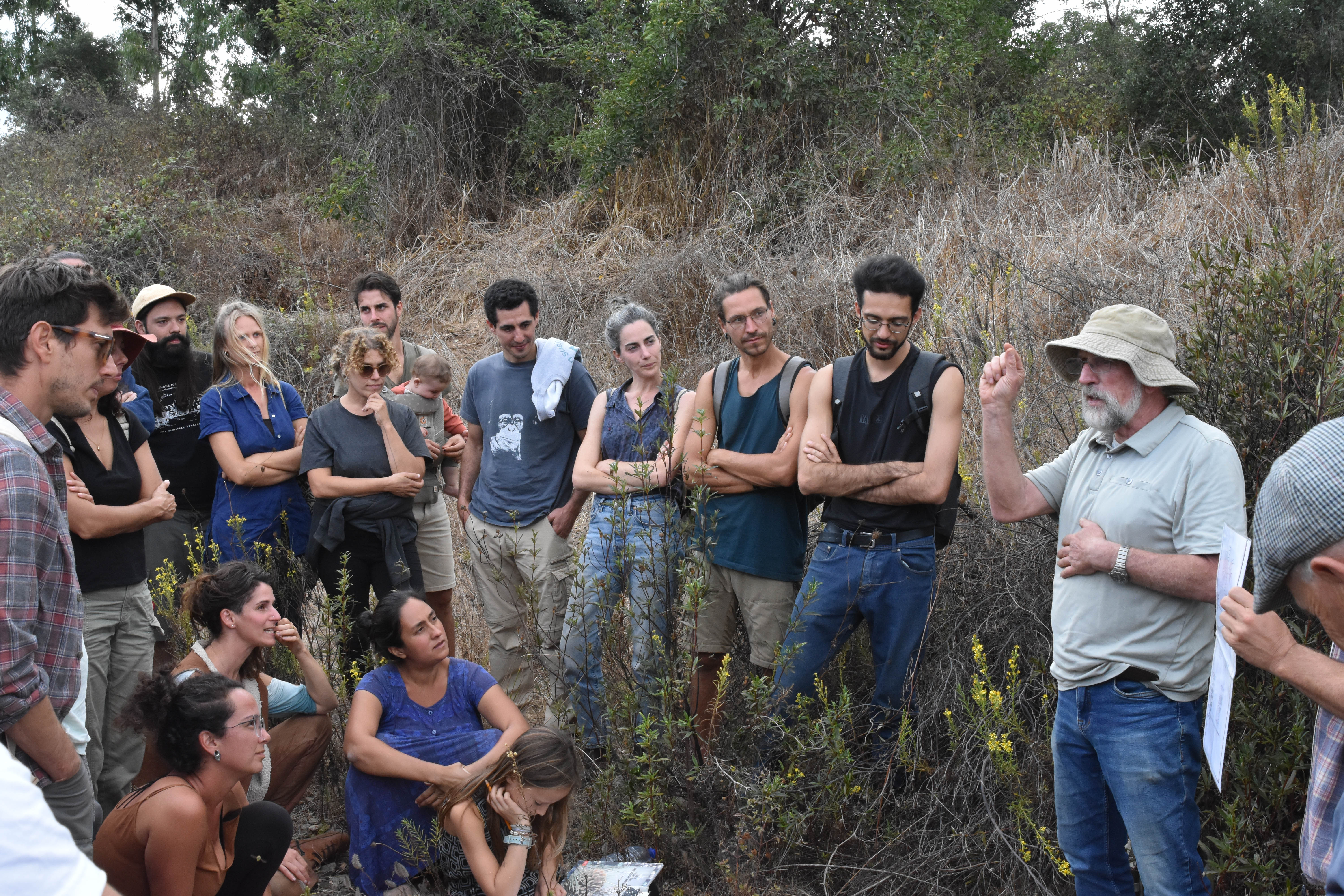
Iberian Water Retention Landscape – 1_WRL (28)
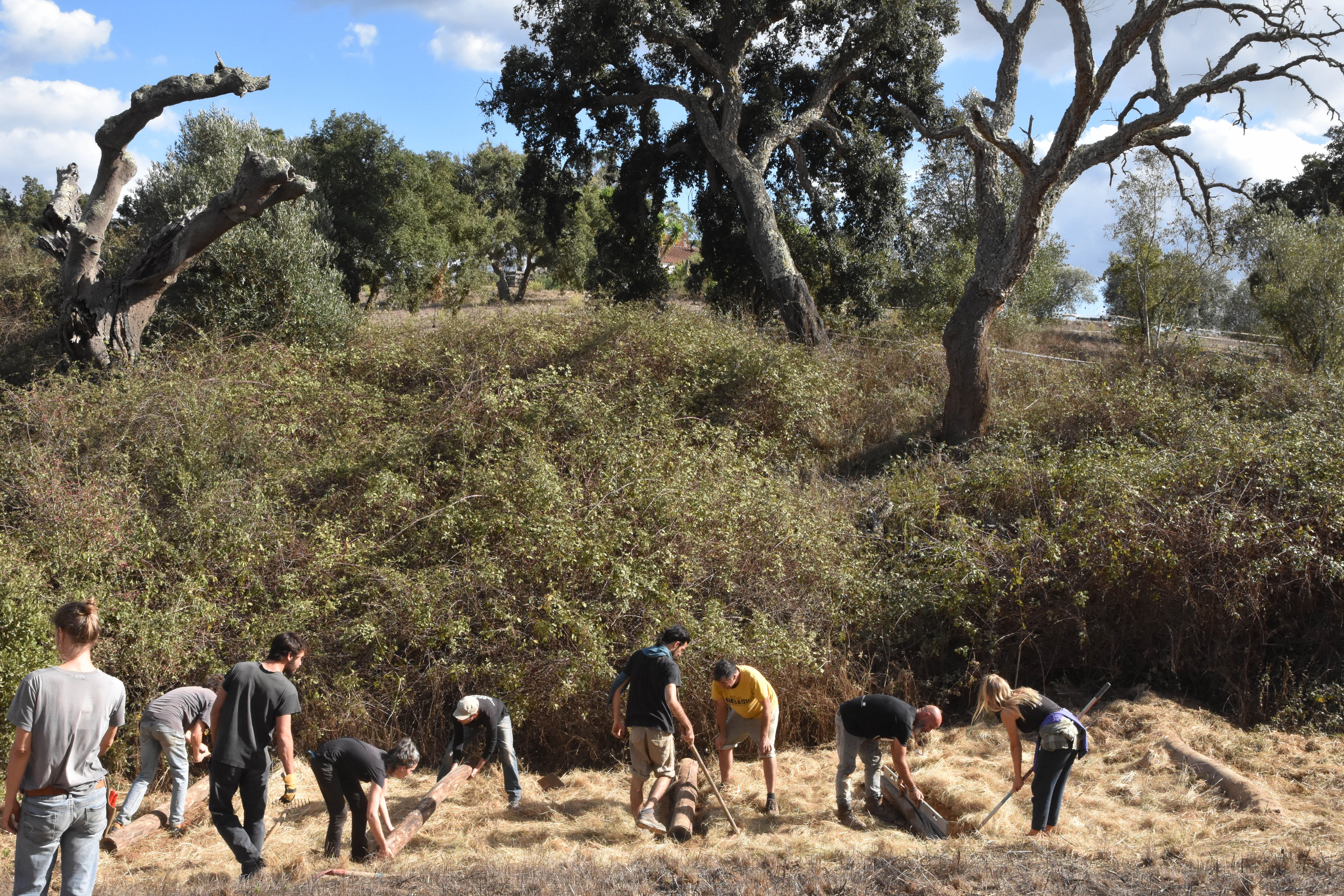
Iberian Water Retention Landscape – 1_WRL (35)