

Cooperation with Animals – Research, Transitions & Courses
At Tamera, we explore how a peaceful future depends on renewing our sacred alliance with all beings. Our work is rooted in the understanding that all life shares one consciousness, and that healing the world requires ending violence against both human and nonhuman beings. As we reconcile with our own instinctual nature, we rediscover that compassion toward animals and inner healing are inseparable foundations of a nonviolent culture.
by Barbara Kovats, Heike Kessler and Katja Müller, 11/3/2026
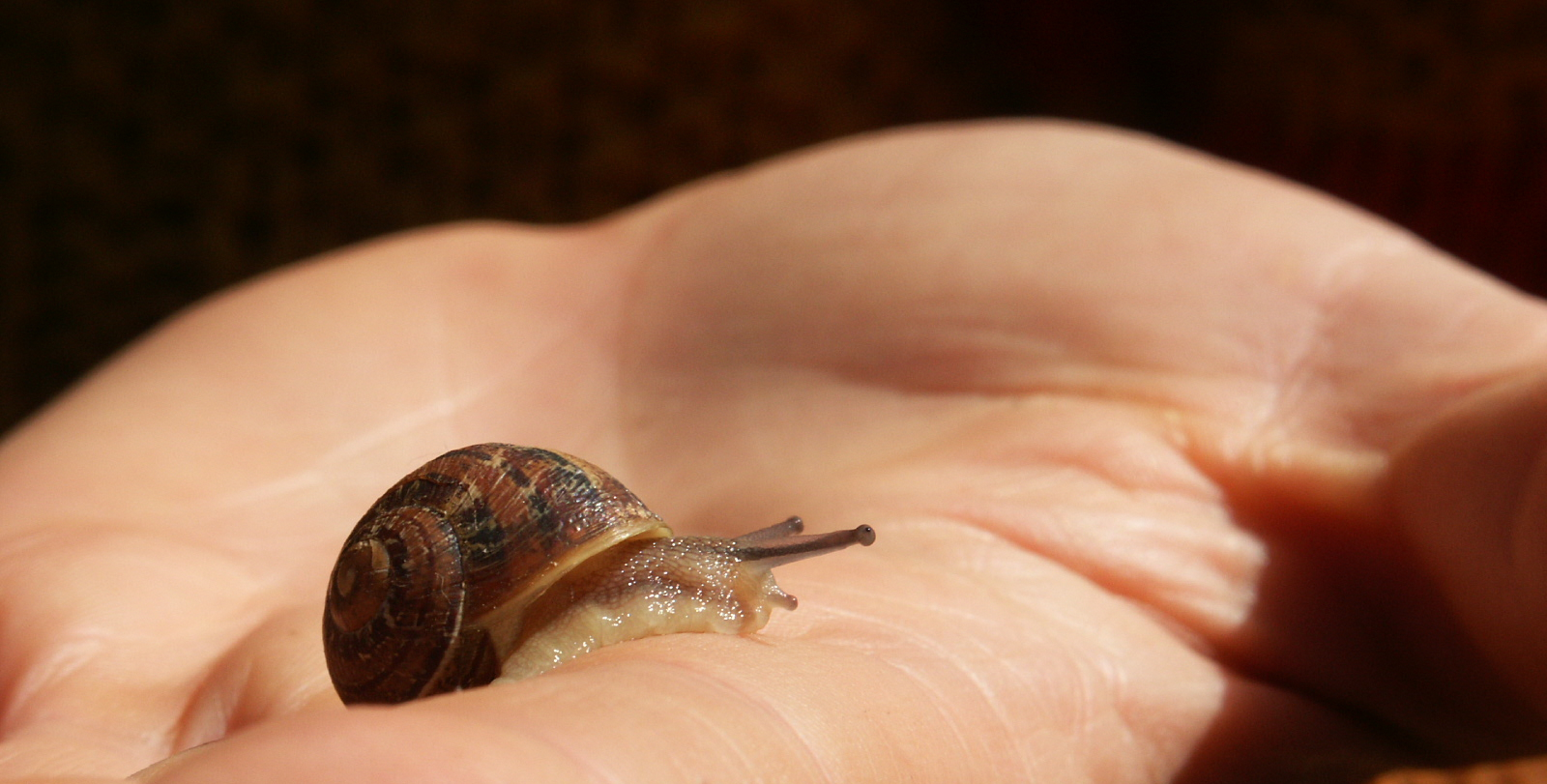
If you talk to the animals, they will talk with you and you will know each other. If you do not talk to them, you will not know them, and what you do not know, you will fear. What one fears one destroys.
Chief Dan George
The language between humans and animals is the oldest on this planet. Our ancestors knew it, yet many people today live in separation and fear. We often overlook what we do to our fellow creatures in factory farms, laboratories, and fur farms.The work with animals here at Tamera aims to break this separation, reintroducing humans into the great community of creation. In this article, we share experiences from working with our domestic pigs, life at the dog sanctuary, and our recent farewell to the chickens.
Our Domestic Pigs – The transition of Waldemar to another dimension
What can pigs teach us about death and grief?” During one of my first visits, Heike introduced me to Waldemar and Franz, two pigs who had been living in Tamera for almost 15 years. Over time, I witnessed Waldemar’s health decline and eventually his peaceful passing. His companion Franz stayed by his side, showing deep emotional care, even covering Waldemar with hay after his death. This experience was a profound lesson in the beauty of presence and respect in the face of life’s transitions.This work exemplifies the living practice of community life in a healing biotope, where supporting all beings through grief and death is essential.
Lisa Christel (more information about Lisa).
The Terra Canis Dog Sanctuary
This year, 20 dogs found loving new homes, and 13 new arrivals were welcomed. Our work with children has expanded. Through contact with dogs, children learn to manage fear, improve concentration, build emotional resilience and stronger social skills.With quiet inner joy, we observe the growth of what we might call a “School of Life.” Research and experience show that caring for animals strengthens empathy, emotional intelligence, and social skills. The bond with animals also helps children regulate stress and build confidence, often resulting in higher self-esteem and better relationships with peers and family. We are honored to be part of this important work and to continue supporting the next generation — and dogs in need.For more information or to join our newsletter, write to: dogs@tamera.org. You can also follow the Terra Canis Dog Sanctuary on Facebook and support us financially (please add “Dog Sanctuary” as a reference).
Research Project with Chickens and Wild Animals
The project addressed several research questions, such as:
- Can we work together with wild animals?
- Can they help us reduce the number of chickens, especially roosters, so that we are not forced to slaughter animals in order to keep the flock in balance?
- Could this cooperation also help strengthen severely threatened wildlife populations?
These and other questions were answered with a resounding yes. We also explored whether chickens living in trust might voluntarily offer their eggs and meat to humans as “power food.” To approach this question, we sought answers through deep contact with the collective consciousness of the chickens and the surrounding wildlife. Pursuing these questions led to deep discussions within both the team and the wider community — thought-provoking conversations about death, about human power over other living beings, and about the fine line between dominance and cooperation. In a small group, we explored these questions as deeply as we could, and we also had positive experiences when addressing the difficult topic of killing roosters. Last summer, in 2025, we completed the project with mixed feelings. Katja Müller, the long-time driving force behind the project, decided to reposition her work toward the “political ashram” in alignment with the broader Tamera project.